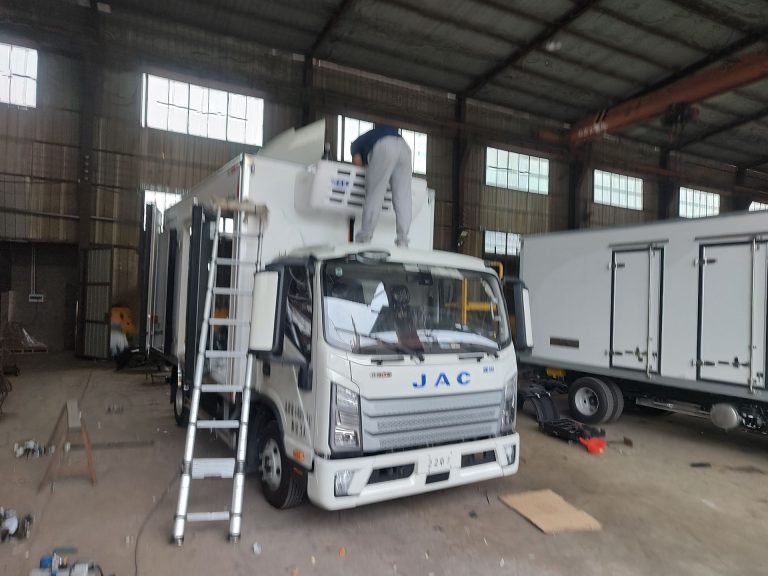
Used vs New Commercial Vehicles for Fleet Buyers: A Cost View
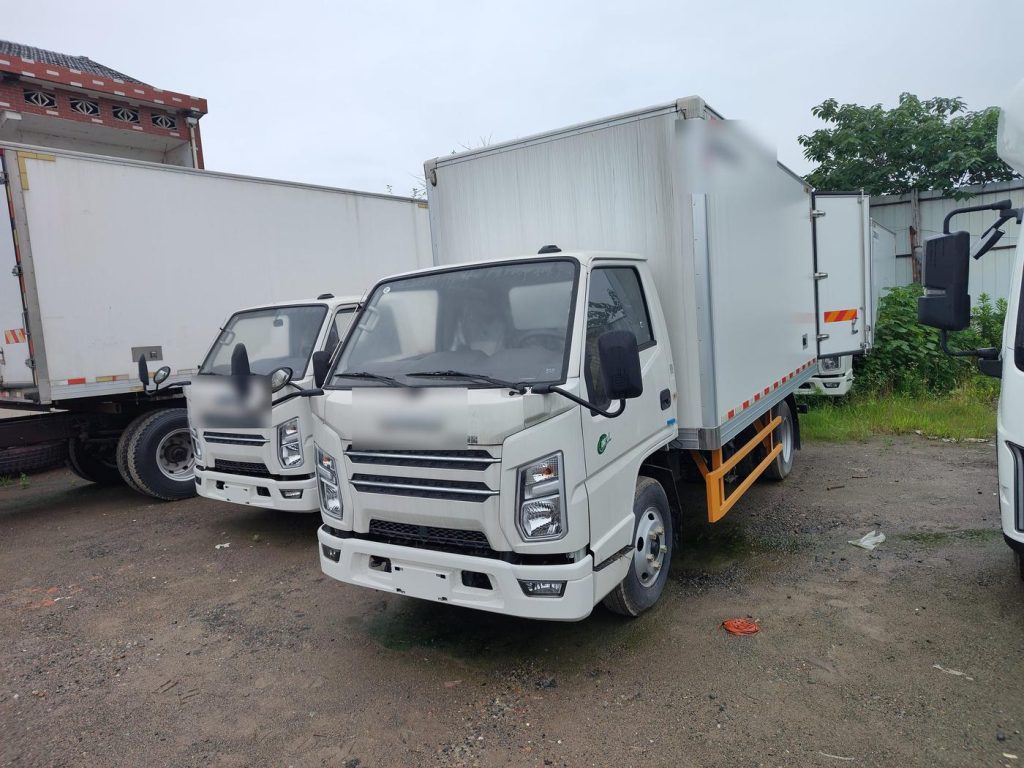
Every fleet buyer importing from China eventually faces the same fork: buy new units and pay more upfront, or buy used units and accept what that implies. There is no universally correct answer — but there is a correct method for answering it for your own operation. This is the cost framework we walk through with buyers, and the cold-chain specifics that most generic comparisons miss.
First, the market context
Two developments changed this decision in the last few years:
- China now exports used commercial vehicles in volume. Used-vehicle export was formalised as a policy area and has grown into a real trade channel, with inspection and export documentation now standard practice among established exporters. A buyer is no longer limited to the Japanese and European used channels that dominated the last two decades.
- New Chinese vehicles have closed most of the price gap in real terms. Between competitive new-vehicle pricing and the export volumes behind them, the service-parts ecosystem for current Chinese commercial models in African markets is far denser than it was five years ago.
The result: the old rule of thumb — “used is cheap, new is expensive” — is no longer reliable enough to decide by itself.
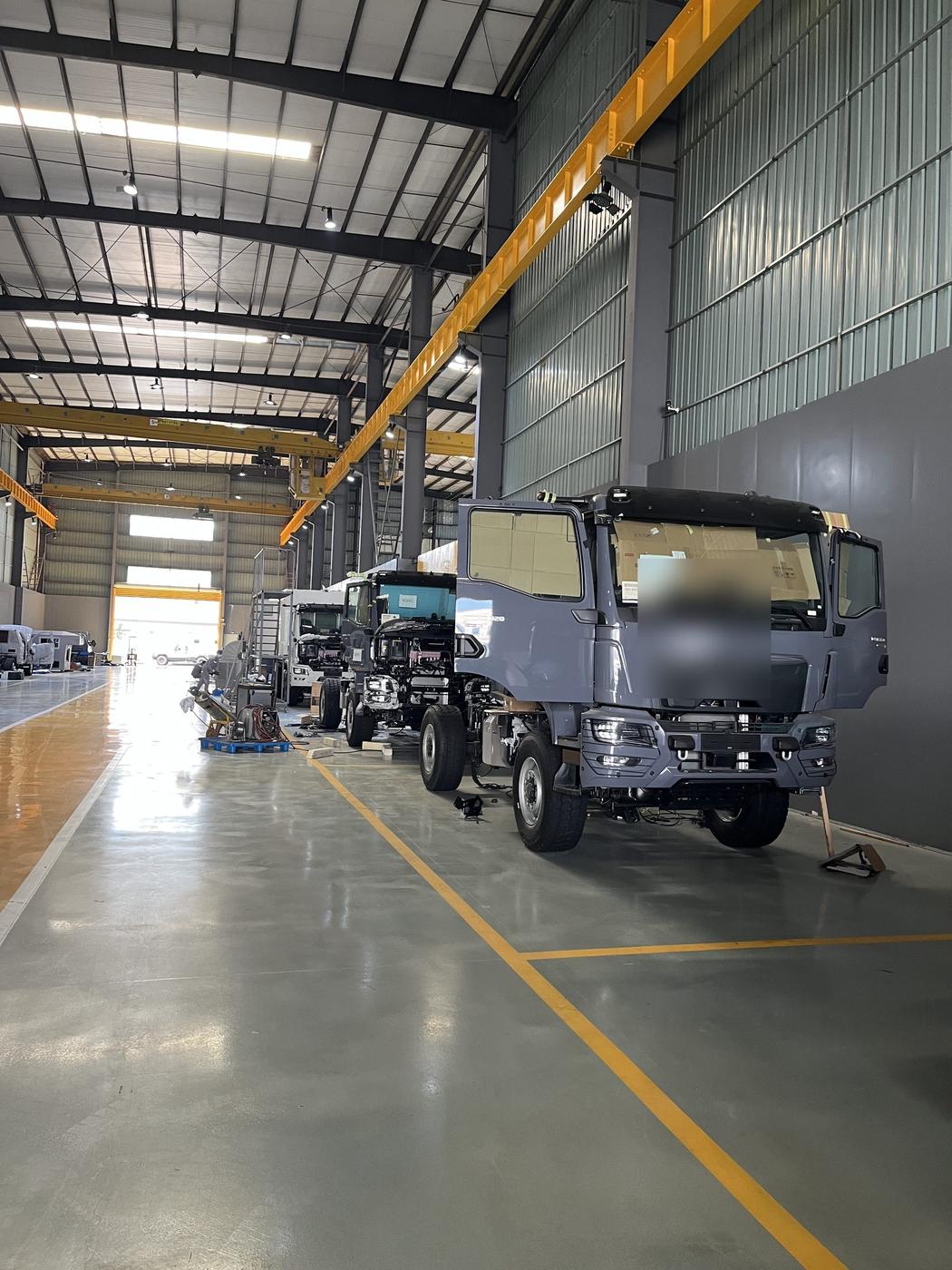
The five cost lines that actually matter
1. Purchase price
Used wins this line almost by definition — typically a fraction of the equivalent new unit, depending on age and condition. But the honest comparison is price per remaining service year, not price per unit. A cheap unit with three serviceable years left can cost more per year than a new unit with ten.
2. Depreciation and resale
A used unit has already taken its steepest depreciation; a new unit loses value fastest in its first years. If your fleet turns over vehicles every 3–4 years, the used unit’s flatter depreciation curve is genuinely valuable. If you run vehicles to the end of their life, the new unit’s longer runway matters more than its early depreciation.
3. Downtime and parts
This is the line most purchase-price comparisons omit, and it is usually the largest. Older units break more often, and every breakdown day is a vehicle earning nothing — plus recovery, plus labor, plus expediting parts. The right question is not “are parts available for this model?” but “how many days was the last one off the road?” Ask fleet operators around you who run the same model.
4. Import rules
Many African markets apply age limits or age-based duty tiers to used vehicle imports — the specific limits and duty treatment vary by country and change over time, so verify the current rule with your local customs authority or clearing agent before budgeting. What we can confirm from the export side: the vehicle’s first registration documents, mileage and inspection records are what your customs broker will work from, and clean paperwork is part of what you should be buying.
5. The cold-chain factor
For refrigerated vehicles specifically, age hits harder than for a dry-freight truck. Insulation degrades, door seals wear, and a reefer unit with an unknown service history is a temperature risk, not just a mechanical one. A tired body that holds −18 °C on a cool morning can fail the same load in 40 °C ambient traffic. For cold-chain fleets, the used option only makes sense when the body and reefer unit can be inspected — or rebuilt — with documented results.
The decision, simplified
| Your situation | Lean towards |
|---|---|
| Tight capital now, short holding period, strong local market for the model | Used |
| Route-critical temperature loads, medicine or perishables | New |
| Model with dense local parts supply and your mechanics know it well | Used becomes cheaper than the table suggests |
| Finance or warranty terms available on new units | New — financing often flips the monthly-cost comparison |
| Mixed fleet, phased renewal | Buy the backbone of the fleet new, top up seasonal or backup capacity with inspected used units |
The last row is what most growing fleets actually do: the decision is rarely all-or-nothing.
How we sell both
We export both new and used commercial vehicles — new units quoted by their MIIT announcement model, used units sold with inspection records, mileage documentation and photo evidence of the actual unit. For used cold-chain units, we encourage buyers to ask for the reefer unit’s service history and, where required, a pre-shipment inspection at loading. Final specifications follow the confirmed inspection documents and build sheet before ordering.
Next step: tell us your route, holding period and budget range, and we will price both routes for the same duty cycle — start at the used vehicles, refrigerated trucks or passenger vehicles pages, or the Contact page.