
Refrigerated trucks for Africa
Three constraints decide whether a reefer survives its first year in Africa: heat, road surface, and whether a replacement part can be found. We build the body around those three, on chassis you can service locally.
What actually breaks a refrigerated body in Africa
Not the brochure specification. The daily reality of 40 °C ambient, unpaved last miles, and a workshop that has never seen your model.
Heat load
At 40 °C ambient the same body needs more refrigeration capacity than it does at 25 °C, and the unit runs longer every hour. We specify panel thickness and unit capacity against the ambient of the destination, not against a European default. Where the unit has to work at the top of its range, we say so in writing rather than let the buyer discover it in July.
Road surface
Corrugated floors, subframes and door hardware take the load on poor roads. A body that is stiff enough for a sealed highway can crack at the rear frame after a season of laterite. Our subframe and floor detail is specified for the road class the vehicle will actually work in.
Parts and service
The chassis is the part you can fix locally. We build on chassis brands with a dealer and parts footprint in the destination market, so brake, filter and clutch parts are a local purchase rather than an air freight. Body-specific parts — door seals, hinges, unit controllers — we ship as a spares kit with the order if you want one.
What we will not do
We will not quote a temperature guarantee we have not tested, and we will not claim deliveries in a country where we have no documents. If you need a reference in your market, ask us directly and we will tell you what exists.
Three weight classes, one body workshop
City distribution, regional distribution and long-haul each need a different answer. All three are built in the same hall, under the same quality system.
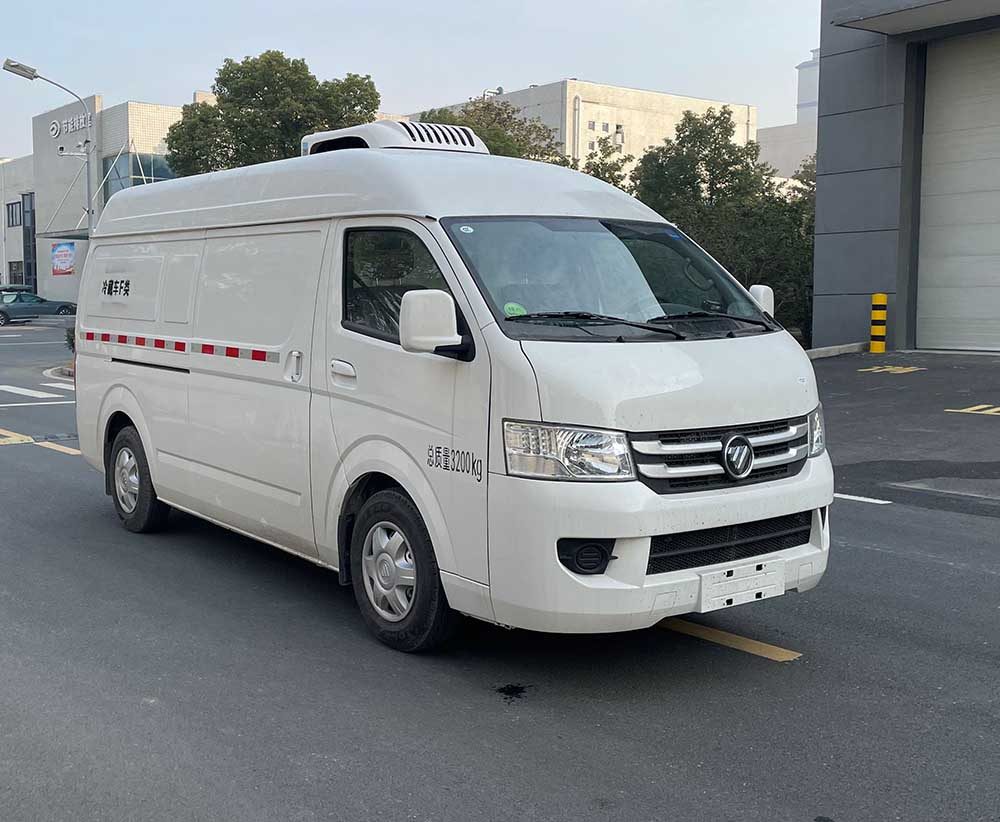
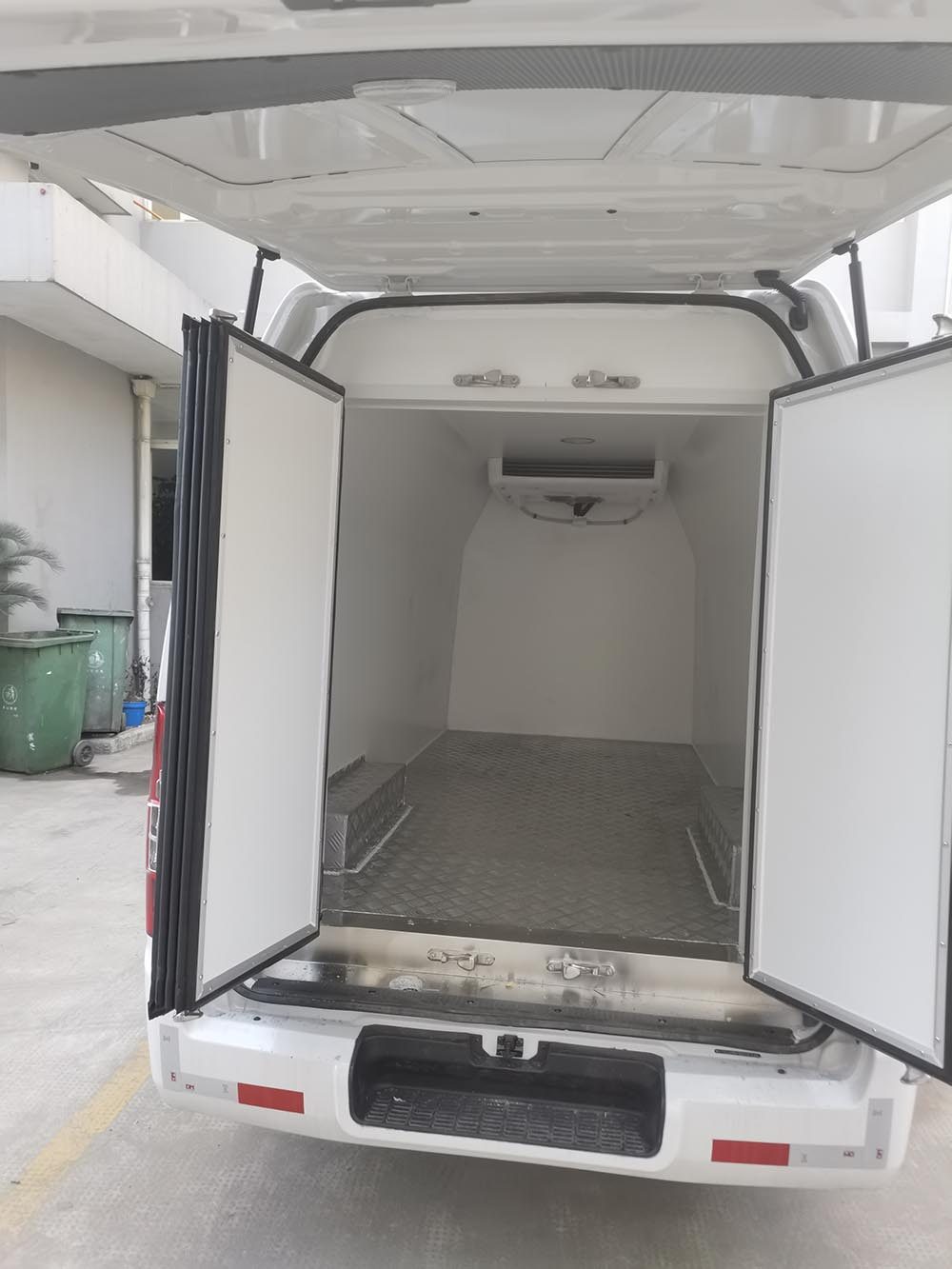
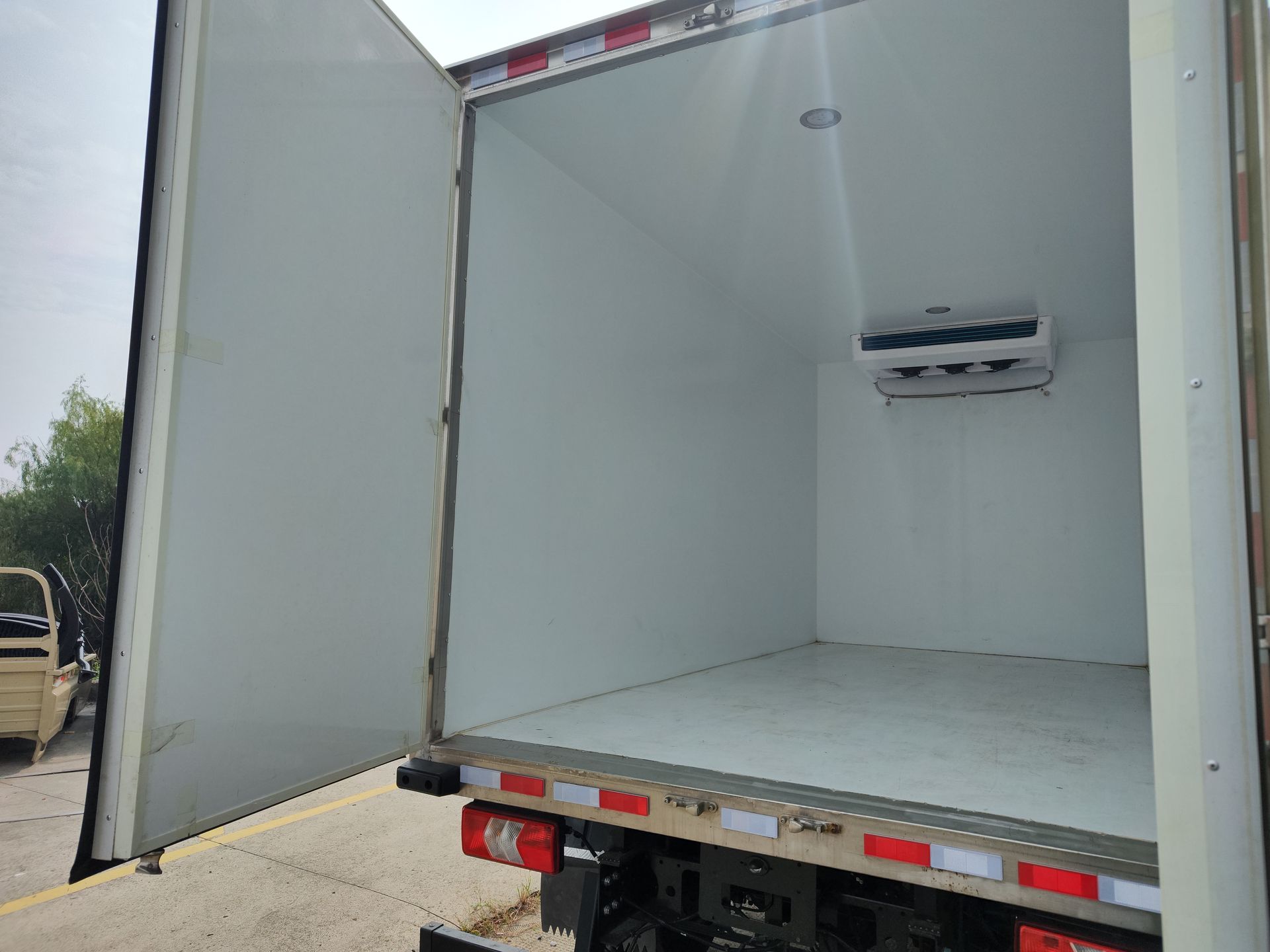
- 3.1 m city class — ZMS5030XLCBJ3: 3,200 kg gross vehicle weight, 870 kg rated payload, petrol China VI chassis. Sized for urban delivery where a larger truck cannot park or is banned from the centre.
- 4.1 m light class — ZMS5040XLCBJ1: 4,495 kg gross vehicle weight, around 1,100 kg payload. The volume seller for distributor fleets that need one driver, one route and a body big enough for palletised cargo.
- 9.6 m long-haul class — ZMS5180XLCBJ1: 9.6 m body on an 18-tonne class chassis. For intercity runs between port, cold store and inland distribution centre.
The full range sits under refrigerated trucks, with the light class split out under light-duty reefers. Body-only supply is also possible: if you already own the chassis, we build and fit the insulated body to it.
Unit selection is a decision about service, not only capacity
Carrier and Thermo King units are the easiest to service in most African markets, because the dealer network is already there. Chinese units cost less up front and are perfectly capable on short urban routes, but the service question comes back at year three. We quote both and tell you which one we would pick for your route.
Capacity is matched to body volume, panel thickness and the ambient of the destination. If you operate in the Sahel, say so at enquiry stage — the unit that is adequate in Mombasa is marginal in Niamey.
Which markets need right-hand drive, and what we can answer
This is the question that decides whether a project is feasible before any price is discussed.
Left-hand drive markets
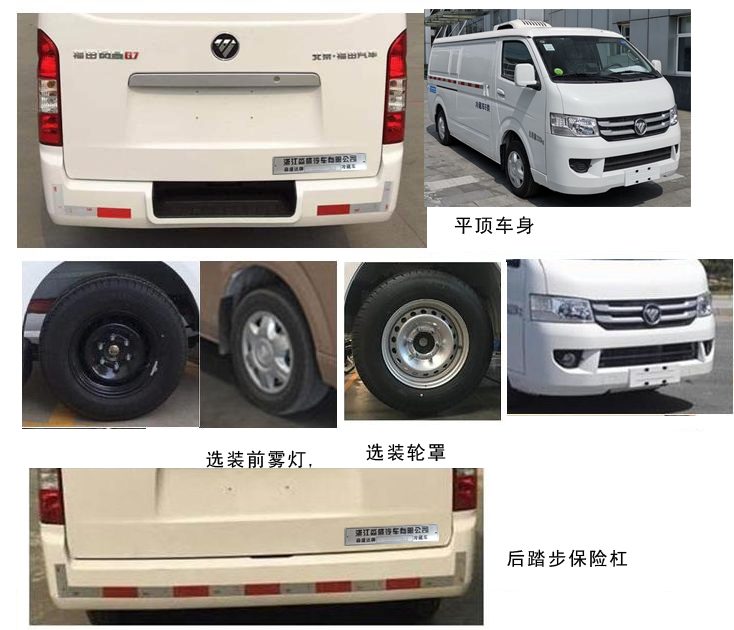
Nigeria, Ghana, Senegal, Côte d'Ivoire, Cameroon, Ethiopia, Algeria, Morocco and most of Central and West Africa drive on the right. For these markets our standard China-market chassis is directly usable, and the announcement and certification documents we hold match the vehicle we ship.
Right-hand drive markets
Kenya, Tanzania, Uganda, South Africa, Zambia and Zimbabwe drive on the left. Right-hand drive supply from China is limited across the whole industry, not only at our factory. We will not advertise a right-hand drive model we cannot certify. If your market needs it, send the requirement and we will tell you honestly what can be sourced and what cannot.
We would rather lose a right-hand drive enquiry at the first email than take a deposit for a vehicle that cannot be registered at destination.
From Deqing to Lagos, Mombasa or Dar es Salaam
We load from Shanghai and Ningbo. Both ports have weekly services to West, East and North Africa, which matters when a shipment misses a sailing.
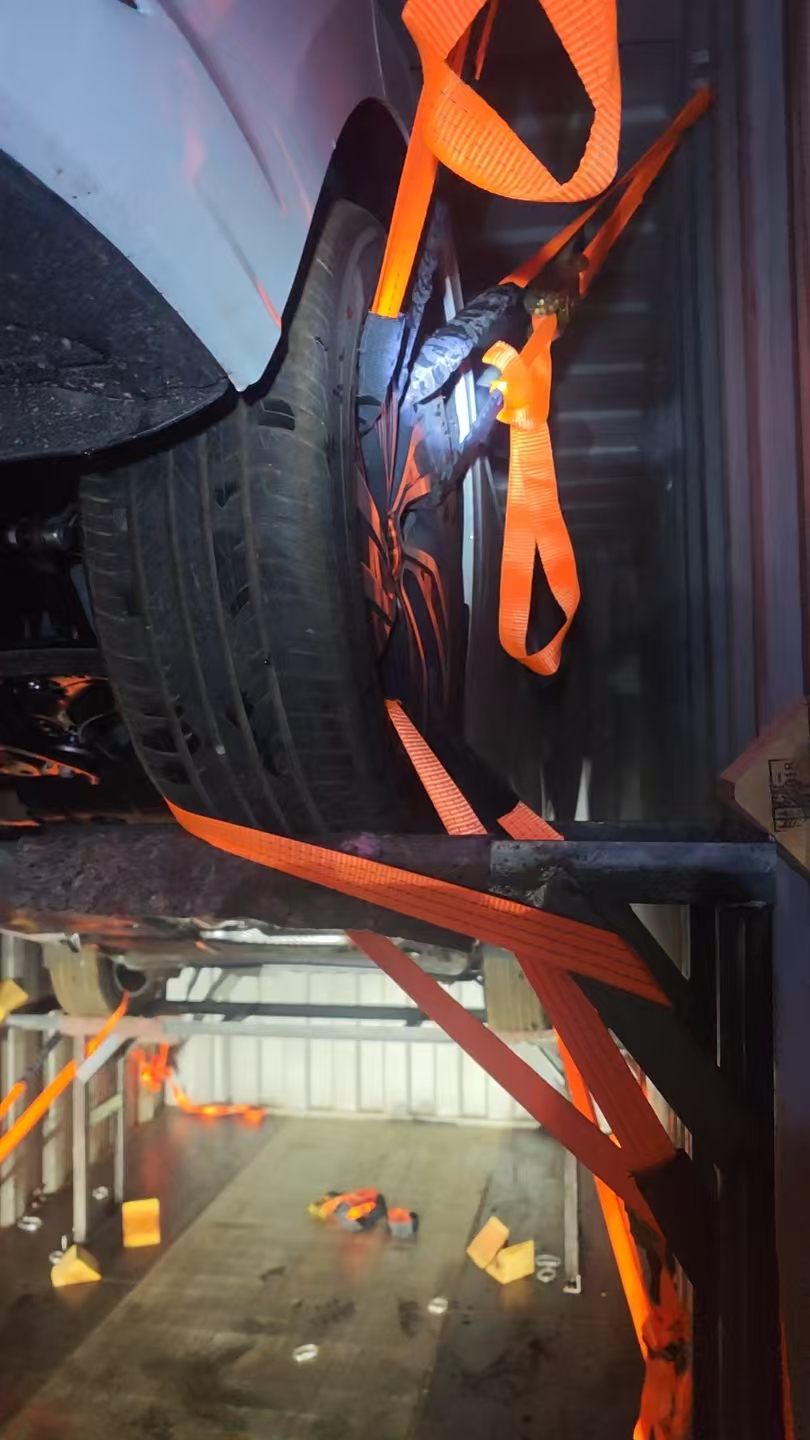
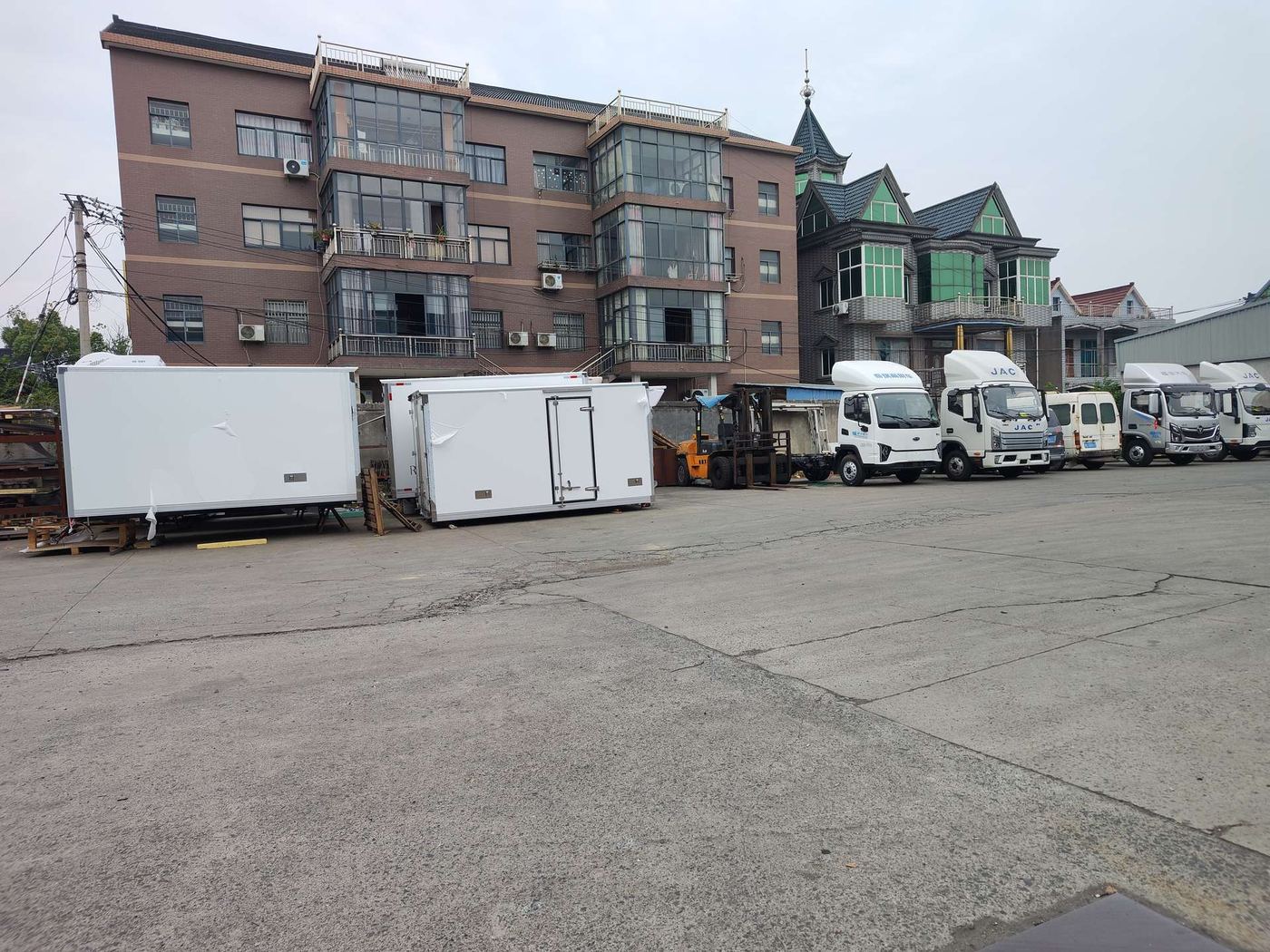
Complete units usually ship in containers with the body fitted; bodies can also be supplied as flat-packed kits for assembly in your own workshop, which cuts freight per unit but moves labour to your side. Loading photographs, container number and seal number are recorded for every shipment — the container loading guide explains how we plan the pack. If you want the arithmetic for your route, ask and we will send the loading plan for the model you are considering.
What the paperwork actually proves
An imported vehicle without the right Chinese approval documents is a vehicle that cannot be exported legally. Ours are held in-house and can be sent before you commit.
Approvals we hold
MIIT announcement numbers for every model we sell, and CCC certificates issued by the China Certification Centre for Automobile Products. Across the product range we hold 20 CCC certificates covering 36 announcement models, of which four certificates cover seventeen refrigerated truck models. The full list is on the certifications page.
Documents per shipment
Commercial invoice, packing list, bill of lading, certificate of origin, and the technical documents your customs broker asks for. For chassis supplied by a partner brand, the chassis certificate of conformity comes from that manufacturer. What we do not do is promise a tax rate or a clearance outcome in your country — that depends on your broker and your tariff line.
Importers who need to compare announcement numbers before ordering can read what an MIIT announcement number does and does not cover.
Tell us the route, not the model
Cargo, temperature band, daily distance, road surface and destination port. With those five answers we can specify the body and the unit, and quote against something real.
Before you commit anything: download the full CCC certificate & model list (PDF) — 20 certificates covering 36 announcement models, with validity dates, reproduced from the certificate register.
Prefer to talk? WhatsApp +86 188 5789 9339 or email [email protected]. For background on where cold-chain demand is growing and why, read cold-chain demand in West and East Africa.
If your market drives on the left, read this first: why right-hand-drive refrigerated trucks are hard to source from China, and the four sourcing routes that actually work.