
Refrigerated trucks for Nigeria
Nigeria drives on the right, so a standard Chinese chassis is usable as built. That single fact makes Lagos a different conversation from Nairobi — and it is why this page exists separately from our Africa overview.
Who actually buys a reefer in Nigeria
The specification follows from the cargo, not from the truck brochure. These three profiles cover most of the enquiries we receive from Lagos, Abuja and Port Harcourt.
Food distribution
Frozen chicken, fish and dairy moving from cold store to retail across a city that can take two hours to cross. What matters is door-open frequency and pull-down time after each stop, not top speed. A 4,495 kg gross vehicle weight light truck with a well-insulated body usually beats a larger truck that cannot reach the market before the ice cream softens.
Beverage and dairy fleets
Chilled rather than frozen, high drop count, long days. Insulation quality and door hardware decide the cost per case. Fleets in this segment tend to buy in twos and threes and care about whether the body can be repaired locally.
Pharmaceutical distributors
2–8 °C, documented, auditable. This buyer needs a temperature record they can hand to a regulator, which changes the specification: data logger, alarm on door-open and temperature excursion, and a body that holds the band during a Lagos traffic jam. Our pharmaceutical cold chain page covers the detail.
What we ask first
Cargo type, temperature band, number of drops per day, and whether the vehicle will enter areas with weight or size restrictions. From those four answers the weight class usually selects itself.
4,495 kg for the city, 7.8–9.6 m for the corridor
Most Nigerian reefer demand sits in two bands. Both are in production and both are homologated before they are sold.
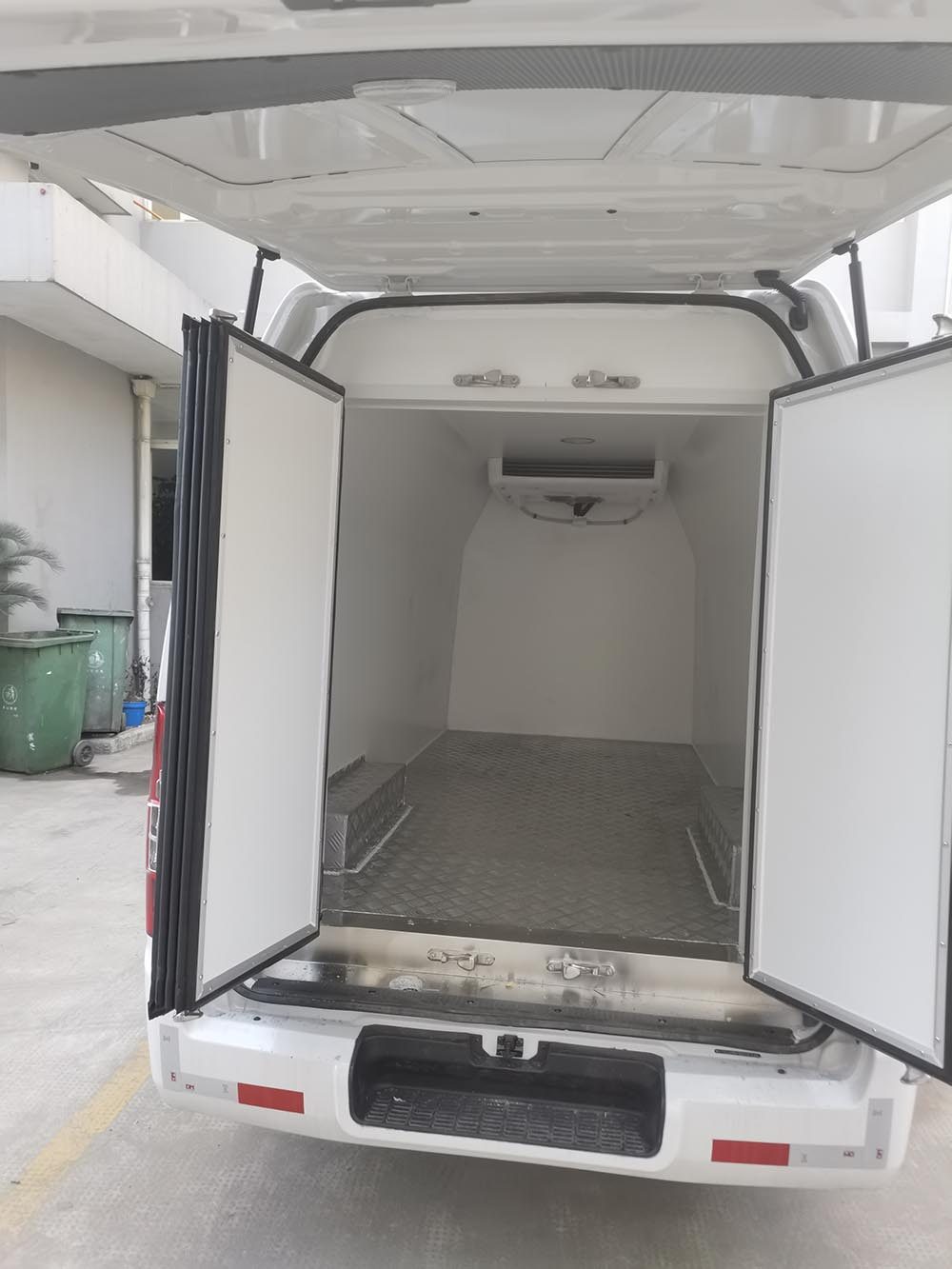
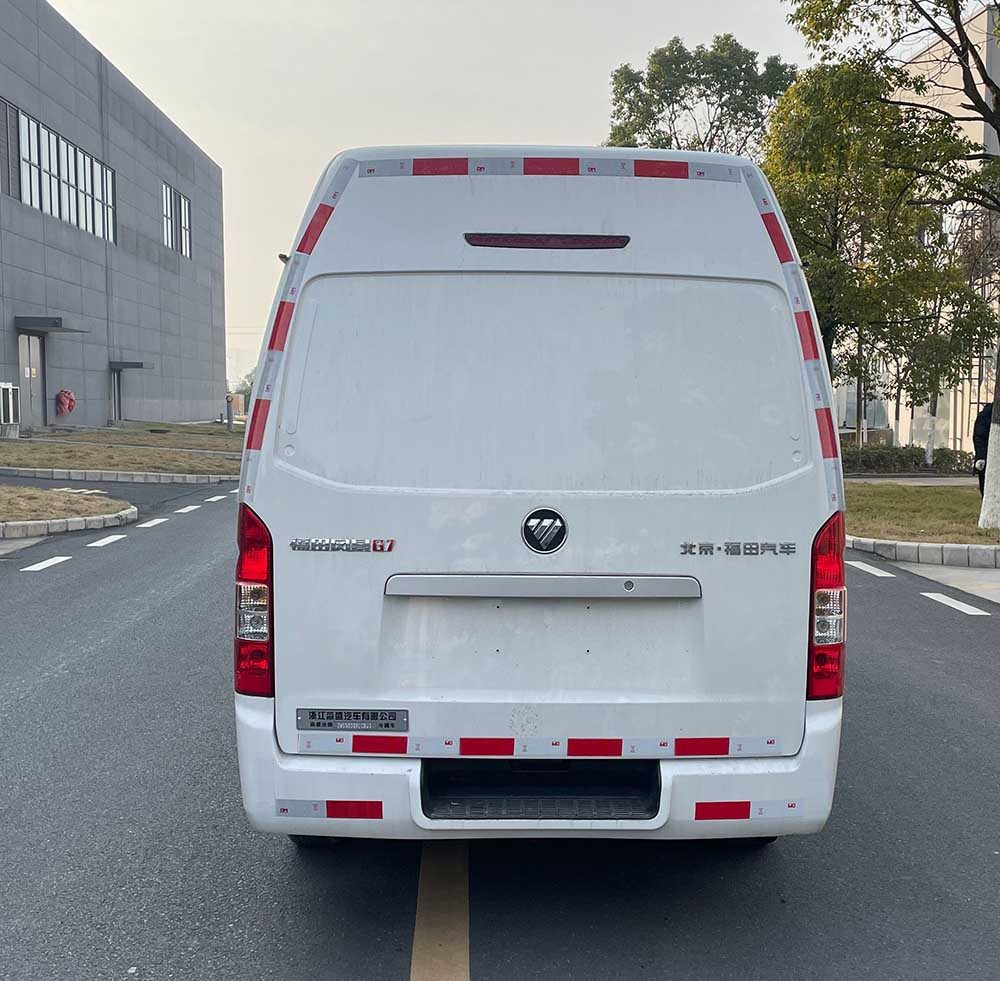
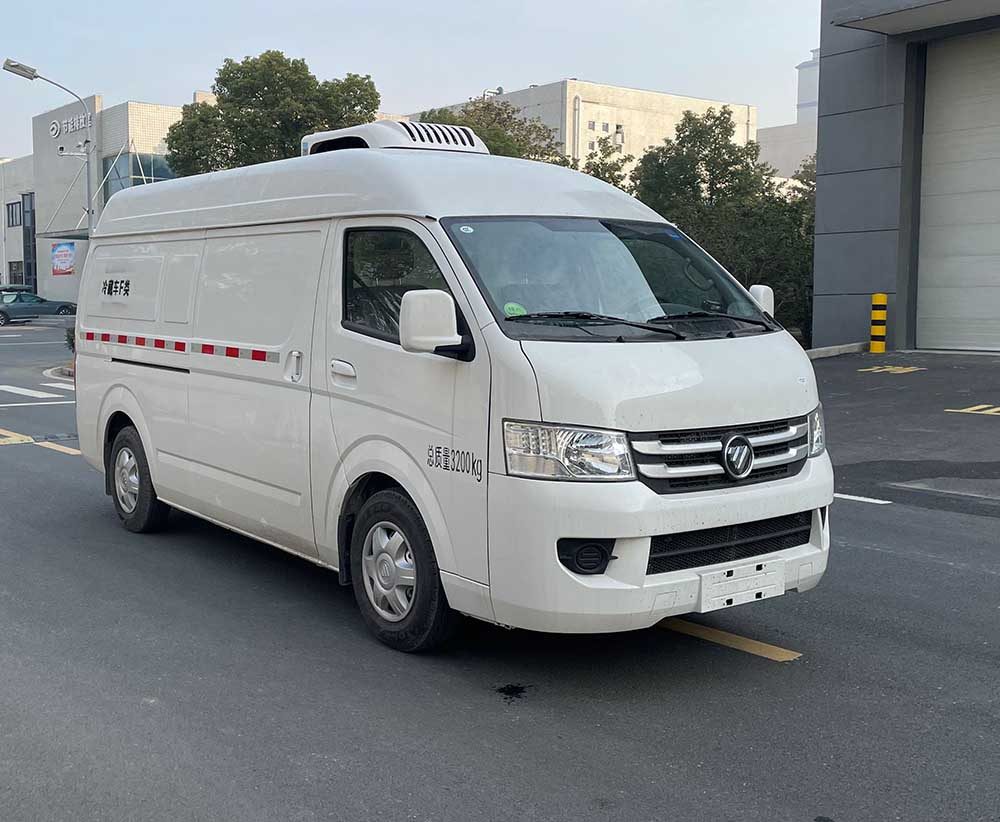
- City class — 4,495 kg gross vehicle weight. Around 1,100 kg payload, body length 4.0–4.1 m. This is the class that fits Lagos traffic, market access and single-driver operation. See ZMS5040XLCBJ1 and the light-duty reefer range.
- Corridor class — 7.8–9.6 m body. Built on an 18-tonne class chassis for intercity runs: Lagos to Ibadan, Abuja, Onitsha. Larger cold volume, longer legs, two-person operation. See ZMS5180XLCBJ1 (9.6 m) and the 7.8 m variant.
- Small city class — 3,200 kg gross vehicle weight. 870 kg payload for narrow streets, market runs and last-mile delivery where a 4.1 m body is too much vehicle: ZMS5030XLCBJ3.
Body-only supply is available if you already own the chassis, which is common for fleets that buy Japanese or European trucks locally and want the insulated body from a Chinese builder.
No conversion, no compromise
Nigeria drives on the right. The chassis we homologate and certify is the chassis we ship — the steering position in the announcement document is the steering position in the vehicle that arrives in Lagos. There is no conversion step, no third-party workshop involved between the certificate and your registration.
This is not a small point. In right-hand drive markets the same enquiry becomes a sourcing problem; in Nigeria it is a straightforward order. If your fleet operates across both Nigeria and a left-driving neighbour, tell us at enquiry stage and we will keep the specifications separate rather than average them.
The documents your broker will ask for
We supply the shipping side of the paperwork. What we will not do is quote you a duty rate — tariff treatment is your broker's call and it changes.
From our side
Commercial invoice, packing list, bill of lading, certificate of origin, and the technical file for the vehicle: announcement number, CCC certificate, and the chassis certificate of conformity where the chassis comes from a partner brand. Documents are issued against the final bill of materials, so what is declared is what was built.
On your side, usually
Nigerian importers typically work with Form M, a pre-arrival assessment report, and product conformity requirements administered by the standards body — your agent will confirm which apply to your tariff line and whether a soncap route is needed. We provide the technical documents those processes ask for; we do not act as a clearing agent.
Two practical notes that save weeks: confirm the tariff line before the container sails, not after, and check that the model on the invoice matches the model on the announcement document character for character. A mismatch at that point is an argument you cannot win at the port.
What wears out, and where you buy it
The chassis is serviceable locally; the body is not, unless you plan for it. This is the list we plan spares around.
Body wear items
Door seals and hinges, unit controller, evaporator fan, floor scuff strips, and the rear frame hardware. These are the parts that fail first on a high-drop route. We can ship a spares kit with the order — cheaper than an air freight later, and it keeps a truck working instead of parked.
Chassis wear items
Brake pads, filters, belts and clutch parts are standard service items for the chassis brand, available through its local dealer network. That is the main reason we build on brands with a Nigerian presence rather than on the cheapest chassis available in China.
Unit service is the constraint most importers underestimate. Carrier and Thermo King have service reach in Lagos; Chinese units are capable but may need parts shipped. We will say which is which for your route before you choose.
Quoted against a specification, not against a brochure
Price depends on chassis, body length, panel thickness, unit brand and the documents required. We quote after the specification is written, so the number does not move afterwards.
Before you commit anything: download the full CCC certificate & model list (PDF) — 20 certificates covering 36 announcement models, with validity dates, reproduced from the certificate register.
WhatsApp +86 188 5789 9339 · [email protected]. For the specification background that decides body life in West African conditions, see cold-chain demand in West and East Africa and panel thickness 50, 75 and 100 mm.